

Solar Energy for Homes: What Beginners Should Know
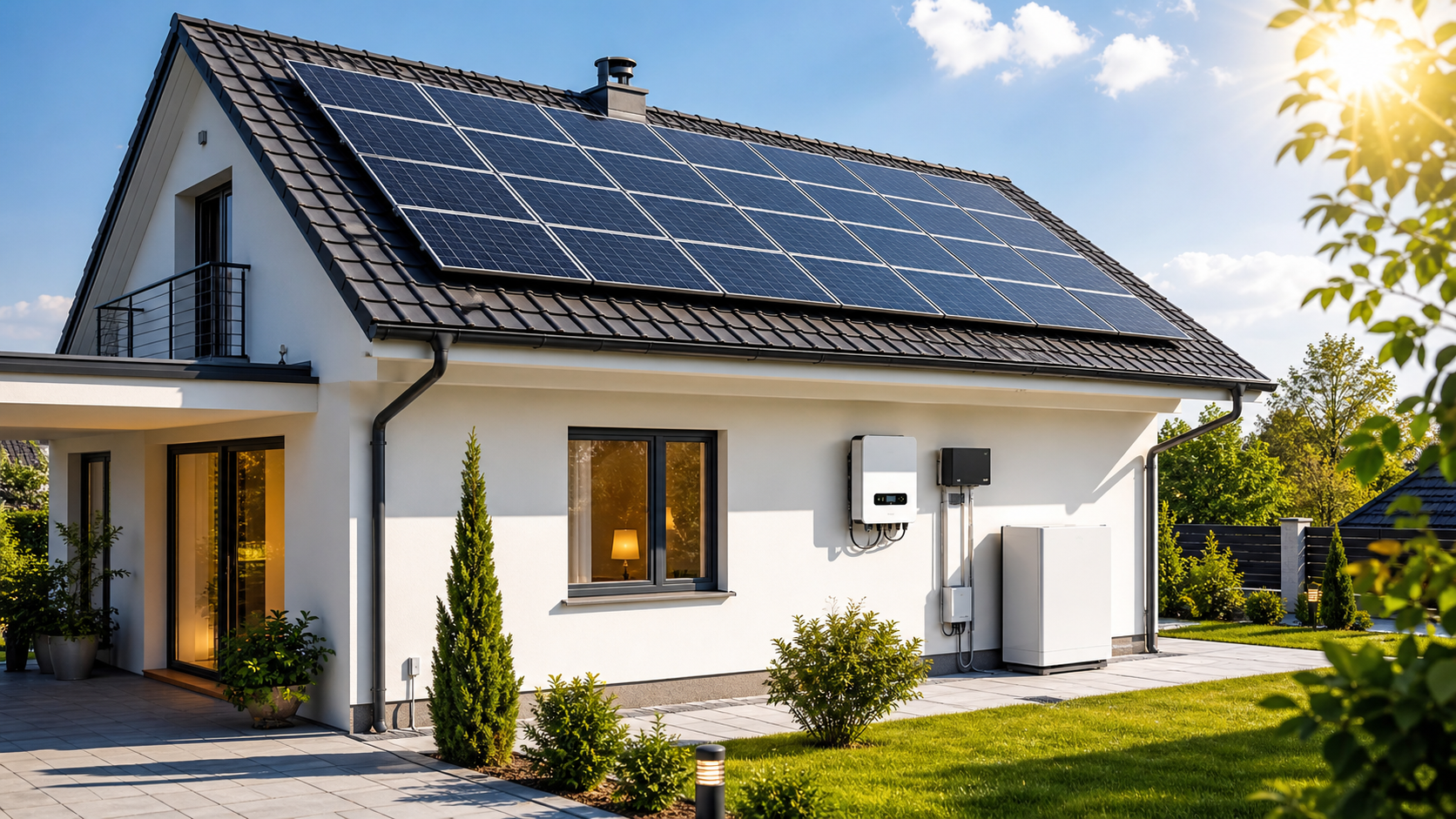
Solar energy is becoming a serious option for homeowners who want to reduce electricity bills, prepare for rising energy costs, and support cleaner power. But solar is also a long-term investment, so it should be approached carefully. The right system depends on your roof, location, electricity usage, local utility rates, incentives, and future energy needs.
Understand Your Electricity Usage
Before comparing solar quotes, review your electricity bills from the last 12 months. Look at total usage, seasonal changes, peak months, and current rates. A home that uses more power during the day may benefit differently from solar than a home where most usage happens at night. Your actual usage helps determine the right system size.
Check Roof Condition
Your roof matters as much as the panels. Roof age, direction, angle, shade, and available space all affect solar performance. If the roof is old or needs repairs, it may be better to fix it before installing panels. Removing and reinstalling panels later can add extra cost.
Think About Shade
Trees, nearby buildings, chimneys, and roof structures can reduce solar output. Even partial shade can affect performance depending on the system design. A professional assessment can estimate how much sunlight your roof receives throughout the year.
Know the Main System Parts
A home solar system usually includes panels, inverters, mounting equipment, wiring, monitoring, and sometimes a battery. Panels collect sunlight, while inverters convert solar power into electricity your home can use. Monitoring tools help you track production and spot issues.
Decide Whether You Need a Battery
Batteries store electricity for later use, which can be helpful during outages or when electricity rates change by time of day. However, batteries add cost. They make the most sense when backup power is important, grid reliability is low, or local energy pricing rewards stored power use.
Compare More Than Price
The cheapest quote is not always the best value. Compare panel quality, inverter type, warranty length, installer experience, service support, monitoring features, financing terms, and estimated production. Ask each installer to explain assumptions behind savings and payback estimates.
Review Incentives and Rules
Solar incentives, tax credits, net metering rules, and utility policies vary by location and can change over time. Check current local programs before making a decision. A good installer should explain available incentives, but you should verify important details yourself.
Think Long Term
Solar panels can last many years, so consider future needs. Electric vehicles, home additions, new appliances, or lifestyle changes may increase electricity use. A system should match both current and expected usage.
Final Thought
Solar can be a smart home energy upgrade when planned carefully. Start with your power bills, evaluate your roof, compare quotes, and understand the financial assumptions before signing. A well-designed system can support savings, resilience, and cleaner energy for years.
Understand Payback Period
The payback period is the time it takes for solar savings to cover the cost of the system. This depends on installation price, electricity rates, incentives, system production, maintenance, and financing. A shorter payback may be attractive, but homeowners should also consider long-term reliability and warranty protection.
Ask About Monitoring and Maintenance
Solar systems are generally low maintenance, but they should still be monitored. Ask whether the installer provides an app or portal to track production. If output drops unexpectedly, monitoring can help identify problems quickly. Also ask about cleaning needs, service response times, and who to contact if equipment fails.
Review Financing Carefully
Solar may be purchased with cash, loans, leases, or power purchase agreements depending on location. Each option has different ownership, savings, and responsibility terms. Read financing documents carefully and understand monthly payments, rate increases, system ownership, and what happens if you sell the home.
Consider Home Resale
A well-installed solar system can be attractive to buyers, but unclear financing or lease terms can complicate resale. Keep all warranties, permits, installation records, and performance documents organized. Future buyers may want to understand the system and its expected savings.
Ask Clear Questions Before Signing
Before choosing an installer, ask what equipment is included, how production is estimated, who handles permits, what warranties cover, and how service requests are managed. Clear answers make it easier to compare offers and avoid confusion after installation.