
Smart Travel Planning: How to Prepare Better Trips Without Overspending
Travel is exciting, but poor planning can quickly turn a good trip into a stressful and expensive experience. Smart travel planning is not about scheduling every minute. It is about making clear decisions before you leave so you can enjoy the journey with fewer surprises. Whether you are planning a weekend break, family holiday, business trip, or long vacation, a practical system can help you save money and travel with more confidence.
Define the Purpose of the Trip
Start by asking why you are traveling. A relaxing beach trip, a sightseeing vacation, a family visit, and an adventure tour all require different budgets, packing lists, and daily schedules. When you know the purpose, it becomes easier to choose the right destination, accommodation, transport, and activities.
Set a Realistic Budget
A travel budget should include more than flights and hotels. Add local transport, meals, activities, travel insurance, visa fees, mobile data, tips, airport transfers, luggage fees, and emergency money. Many trips become expensive because small costs are ignored at the planning stage. Build a simple spreadsheet or note with expected costs and keep a small buffer for surprises.
Book Essentials Early
Transport and accommodation usually have the biggest impact on your budget. Booking early can help you compare options calmly instead of accepting expensive last-minute choices. Look for location, cancellation terms, safety, reviews, and total price. A cheap hotel far from everything may cost more once local transport is included.
Plan Around Time, Not Just Places
A common mistake is adding too many places to one trip. Travel time, check-ins, waiting, traffic, and rest all matter. A realistic itinerary gives you time to enjoy each place instead of rushing from one stop to another. Choose a few must-see experiences and leave space for slow mornings, delays, or spontaneous discoveries.
Pack With a Checklist
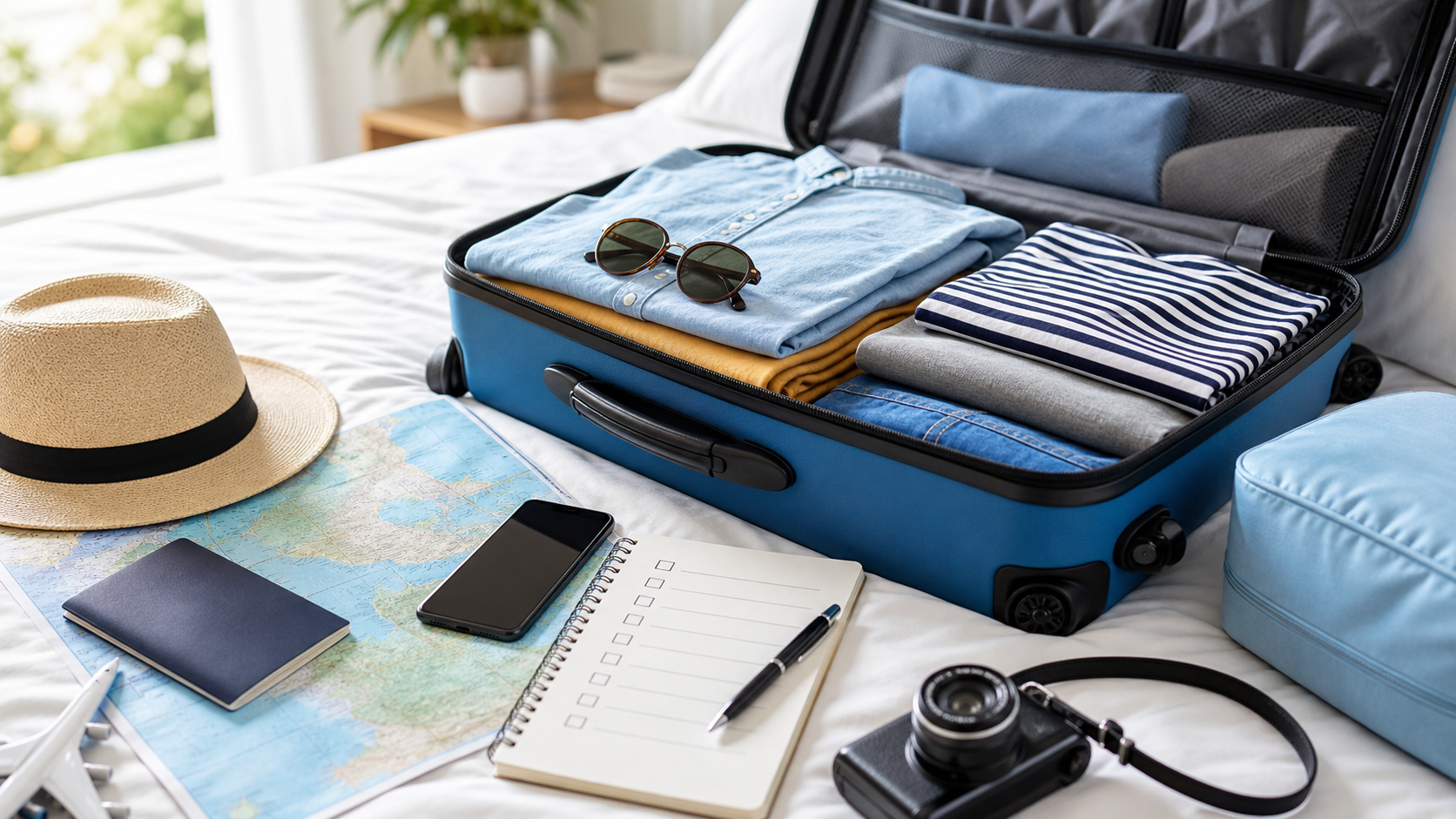
A packing checklist saves time and prevents last-minute panic. Include clothes suitable for the weather, comfortable footwear, chargers, medicines, toiletries, ID, travel documents, payment cards, and copies of important information. Pack versatile clothing that can be mixed and matched. Lighter luggage makes airports, trains, buses, and hotel changes easier.
Prepare Your Documents
Check passport validity, visa rules, travel insurance, vaccination requirements, booking confirmations, and emergency contacts. Keep digital and physical copies of important documents. If you are traveling internationally, save embassy contact details and local emergency numbers.
Think About Safety
Research neighborhoods, local customs, common scams, transport safety, and health considerations before arrival. Share your itinerary with someone you trust. Use secure bags, avoid displaying expensive items unnecessarily, and keep backup payment options separate from your main wallet.
Use Technology Wisely
Download maps, translation tools, airline apps, hotel apps, and offline documents before you leave. Technology can reduce stress, but do not rely only on internet access. Keep critical information available offline.
Final Thought
Smart travel planning gives you freedom. When the essentials are handled, you can relax and enjoy the experience. A clear budget, practical itinerary, organized packing list, and safety preparation make every trip smoother and more memorable.
Choose Accommodation by Total Convenience
When comparing hotels, apartments, or guest houses, look beyond the nightly rate. A property near public transport, food, and major attractions may save both time and money. Also check cancellation policies, breakfast options, luggage storage, safety reviews, and extra fees. The best value is often the place that reduces stress during the trip.
Plan Food Costs Before You Arrive
Food can become a major travel expense. Research average meal prices, local markets, grocery options, and whether your accommodation includes a kitchen or breakfast. Mixing restaurants with simple meals can keep costs balanced without removing the joy of trying local food.
Prepare for Delays and Changes
Travel rarely goes exactly as planned. Flights get delayed, weather changes, attractions close, and traffic takes longer than expected. Keep important items in your carry-on, leave extra time before major bookings, and avoid scheduling expensive activities immediately after arrival. Flexibility can protect both your budget and your mood.
Respect Local Culture
Smart travel also means being a respectful visitor. Learn basic local customs, dress expectations, tipping habits, transport rules, and simple greetings. Respectful behavior improves your experience and helps you connect with places more thoughtfully.